CVE-2026-12491
Vllm: vllm: image exif rotation & png trns transparency not normalized, causing mismatch between model input and expectations
A flaw was found in vLLM, an open-source library for large language model inference. This vulnerability arises from improper handling of image metadata, specifically EXIF orientation and PNG transparency (tRNS) data, during image processing. When images are converted to RGB, transparency information may be implicitly discarded or remapped, leading to unexpected rendering of transparent pixels and distortion of input content. This can result in the model misinterpreting image content, potentially affecting the integrity of processed data.
Attack profile
How easy it is to exploit
- Attack vector
- Network
- Complexity
- High
- Privileges needed
- None
- User interaction
- None
What an attacker can affect
- Confidentiality
- None
- Integrity
- Low
- Availability
- Low
Exploit likelihood
What each source reports
CVE List Score used
Vllm: vllm: image exif rotation & png trns transparency not normalized, causing mismatch between model input and expectations
A flaw was found in vLLM, an open-source library for large language model inference. This vulnerability arises from improper handling of image metadata, specifically EXIF orientation and PNG transparency (tRNS) data, during image processing. When images are converted to RGB, transparency information may be implicitly discarded or remapped, leading to unexpected rendering of transparent pixels and distortion of input content. This can result in the model misinterpreting image content, potentially affecting the integrity of processed data.
- Record
CVE-2026-12491- CVSS 3.1
- 4.8 Medium
CVSS:3.1/AV:N/AC:H/PR:N/UI:N/S:U/C:N/I:L/A:L - Weakness
- CWE-115
- Updated
- 2026-11-02
EUVDEUVD-2026-37645
A flaw was found in vLLM, an open-source library for large language model inference. This vulnerability arises from improper handling of image metadata, specifically EXIF orientation and PNG transparency (tRNS) data, during image processing. When images are converted to RGB, transparency information may be implicitly discarded or remapped, leading to unexpected rendering of transparent pixels and distortion of input content. This can result in the model misinterpreting image content, potentially affecting the integrity of processed data.
- Record
EUVD-2026-37645- CVSS 3.1
- 4.8 Medium
CVSS:3.1/AV:N/AC:H/PR:N/UI:N/S:U/C:N/I:L/A:L - Updated
- 2026-11-02
GitHub AdvisoriesGHSA-8jr5-v98p-w75m
vLLM: image EXIF Rotation & PNG tRNS Transparency Not Normalized, Causing Mismatch Between Model Input and Expectations
Summary
Issue 1: EXIF orientation not normalized → The image orientation processed by the model differs from how humans view it, introducing interpretation bias.
Issue 2: PNG tRNS not explicitly flattened before converting to RGB → After conversion, transparent/semi-transparent pixels are rendered unexpectedly, making otherwise subtle overlay elements visible and distorting the input content. (This attack is similar to AlphaDog: RGBA handling is already correct in vLLM, but since tRNS permits RGB images, the correct processing path isn’t taken.)
Issue 3 : Pillow only loads the first frame when loading APNG or GIF files.
Root Cause
- Rotation: After opening an image,
ImageOps.exif_transposeis not called to normalize EXIF orientation. - Transparency: Only RGBA→RGB is flattened with a background; PNGs carrying
tRNSinP/L/RGB + tRNSand other non-RGBA modes take theimage.convert("RGB")path, which implicitly discards/remaps transparency semantics.
Affected Code
Current state:
ImageOps.exif_transposeis not used. (Although therescale_image_sizefunction (https://github.com/vllm-project/vllm/blob/main/vllm/multimodal/image.py#L14) exists and includes atransposeparameter, I’ve found that it doesn’t seem to be called anywhere outside thetestdirectory.)
Call order:
_convert_image_moderuns first; if the conditions are met,convert_image_modeis called.Issue: Only the “RGBA → RGB” path is explicitly flattened.
P,L, orRGBwithtRNSall fall back toimage.convert("RGB"). For PNGs that includetRNS,convert("RGB")directly produces 24-bit RGB, leading to:
Pmode: The transparent index becomes an actual RGB color (often black, white, or an undefined background), so transparency is lost.L/LAandRGB + tRNS:convert("RGB")doesn’t composite against a chosen background first, so elements that relied on transparency to be hidden or softened become solid.
Impact & Scope
- Impact: Pixels the model sees can diverge from operator expectations (due to orientation or transparency handling), potentially altering downstream reasoning.
- Scope: The image I/O and mode-conversion paths in
vllm/multimodal/image.py. The existing RGBA→RGB flattening is correct; the issues center on missing EXIF normalization and non-RGBAtRNSnot being explicitly composited.
Case
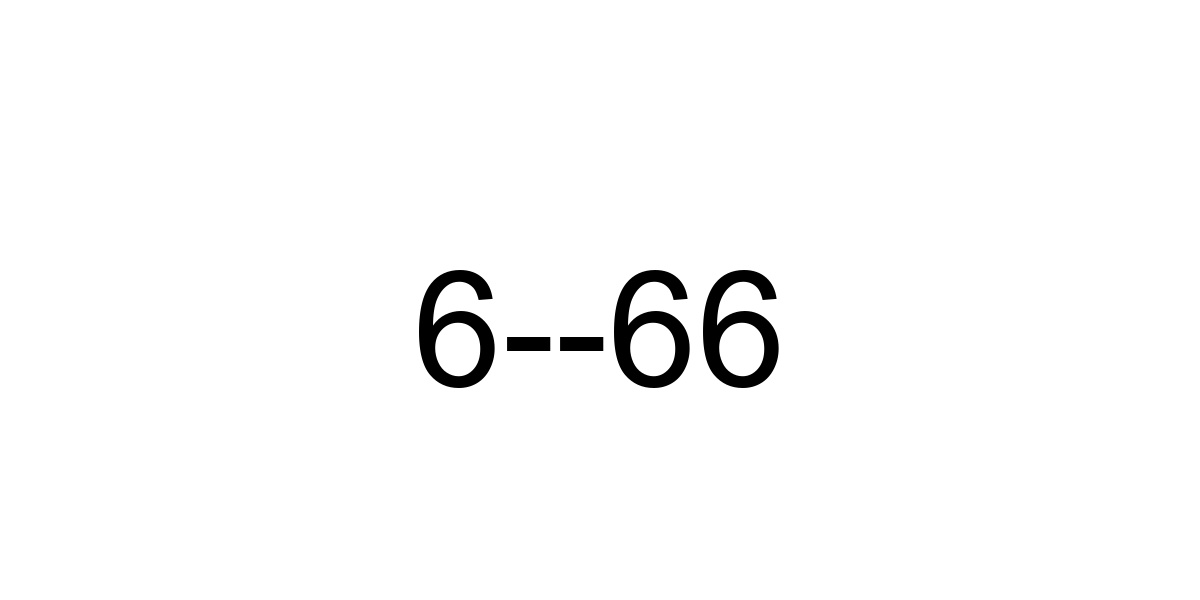
EXIF: http://qiniu.funxingzuo.top/exif_orient_180.jpg tRNS: http://qiniu.funxingzuo.top/hello.png

Fix
A fix for this vulnerability was merged here: https://github.com/vllm-project/vllm/pull/44974
- Record
GHSA-8jr5-v98p-w75m- CVSS 3.1
- 4.8 Medium
CVSS:3.1/AV:N/AC:H/PR:N/UI:N/S:U/C:N/I:L/A:L - Weakness
- CWE-436
- Updated
- 2026-11-02
GitHub AdvisoriesGHSA-x8xr-mj9x-6h7w
Duplicate Advisory: image EXIF Rotation & PNG tRNS Transparency Not Normalized, Causing Mismatch Between Model Input and Expectations
Duplicate Advisory
This advisory has been withdrawn because it is a duplicate of GHSA-8jr5-v98p-w75m. This link is maintained to preserve external references.
Original Description
A flaw was found in vLLM, an open-source library for large language model inference. This vulnerability arises from improper handling of image metadata, specifically EXIF orientation and PNG transparency (tRNS) data, during image processing. When images are converted to RGB, transparency information may be implicitly discarded or remapped, leading to unexpected rendering of transparent pixels and distortion of input content. This can result in the model misinterpreting image content, potentially affecting the integrity of processed data.
- Record
GHSA-x8xr-mj9x-6h7w- CVSS 3.1
- 4.8 Medium
CVSS:3.1/AV:N/AC:H/PR:N/UI:N/S:U/C:N/I:L/A:L - Weakness
- CWE-115
- Updated
- 2026-11-02
NVD
A flaw was found in vLLM, an open-source library for large language model inference. This vulnerability arises from improper handling of image metadata, specifically EXIF orientation and PNG transparency (tRNS) data, during image processing. When images are converted to RGB, transparency information may be implicitly discarded or remapped, leading to unexpected rendering of transparent pixels and distortion of input content. This can result in the model misinterpreting image content, potentially affecting the integrity of processed data.
- Record
CVE-2026-12491- CVSS 3.1
- 4.8 Medium
CVSS:3.1/AV:N/AC:H/PR:N/UI:N/S:U/C:N/I:L/A:L - Weakness
- CWE-115
- Updated
- 2026-11-02
OSV
Vllm: vllm: image exif rotation & png trns transparency not normalized, causing mismatch between model input and expectations
A flaw was found in vLLM, an open-source library for large language model inference. This vulnerability arises from improper handling of image metadata, specifically EXIF orientation and PNG transparency (tRNS) data, during image processing. When images are converted to RGB, transparency information may be implicitly discarded or remapped, leading to unexpected rendering of transparent pixels and distortion of input content. This can result in the model misinterpreting image content, potentially affecting the integrity of processed data.
- Record
CVE-2026-12491- CVSS 3.1
- 4.8 Medium
CVSS:3.1/AV:N/AC:H/PR:N/UI:N/S:U/C:N/I:L/A:L - Weakness
- CWE-115
- Updated
- 2026-11-02
OSVGHSA-8jr5-v98p-w75m
vLLM: image EXIF Rotation & PNG tRNS Transparency Not Normalized, Causing Mismatch Between Model Input and Expectations
Summary
Issue 1: EXIF orientation not normalized → The image orientation processed by the model differs from how humans view it, introducing interpretation bias.
Issue 2: PNG tRNS not explicitly flattened before converting to RGB → After conversion, transparent/semi-transparent pixels are rendered unexpectedly, making otherwise subtle overlay elements visible and distorting the input content. (This attack is similar to AlphaDog: RGBA handling is already correct in vLLM, but since tRNS permits RGB images, the correct processing path isn’t taken.)
Issue 3 : Pillow only loads the first frame when loading APNG or GIF files.
Root Cause
- Rotation: After opening an image,
ImageOps.exif_transposeis not called to normalize EXIF orientation. - Transparency: Only RGBA→RGB is flattened with a background; PNGs carrying
tRNSinP/L/RGB + tRNSand other non-RGBA modes take theimage.convert("RGB")path, which implicitly discards/remaps transparency semantics.
Affected Code
Current state:
ImageOps.exif_transposeis not used. (Although therescale_image_sizefunction (https://github.com/vllm-project/vllm/blob/main/vllm/multimodal/image.py#L14) exists and includes atransposeparameter, I’ve found that it doesn’t seem to be called anywhere outside thetestdirectory.)
Call order:
_convert_image_moderuns first; if the conditions are met,convert_image_modeis called.Issue: Only the “RGBA → RGB” path is explicitly flattened.
P,L, orRGBwithtRNSall fall back toimage.convert("RGB"). For PNGs that includetRNS,convert("RGB")directly produces 24-bit RGB, leading to:
Pmode: The transparent index becomes an actual RGB color (often black, white, or an undefined background), so transparency is lost.L/LAandRGB + tRNS:convert("RGB")doesn’t composite against a chosen background first, so elements that relied on transparency to be hidden or softened become solid.
Impact & Scope
- Impact: Pixels the model sees can diverge from operator expectations (due to orientation or transparency handling), potentially altering downstream reasoning.
- Scope: The image I/O and mode-conversion paths in
vllm/multimodal/image.py. The existing RGBA→RGB flattening is correct; the issues center on missing EXIF normalization and non-RGBAtRNSnot being explicitly composited.
Case
EXIF: http://qiniu.funxingzuo.top/exif_orient_180.jpg tRNS: http://qiniu.funxingzuo.top/hello.png
Fix
A fix for this vulnerability was merged here: https://github.com/vllm-project/vllm/pull/44974
- Record
GHSA-8jr5-v98p-w75m- CVSS 3.1
- 4.8 Medium
CVSS:3.1/AV:N/AC:H/PR:N/UI:N/S:U/C:N/I:L/A:L - Weakness
- CWE-436
- Updated
- 2026-11-02
OSVGHSA-x8xr-mj9x-6h7w
Duplicate Advisory: image EXIF Rotation & PNG tRNS Transparency Not Normalized, Causing Mismatch Between Model Input and Expectations
Duplicate Advisory
This advisory has been withdrawn because it is a duplicate of GHSA-8jr5-v98p-w75m. This link is maintained to preserve external references.
Original Description
A flaw was found in vLLM, an open-source library for large language model inference. This vulnerability arises from improper handling of image metadata, specifically EXIF orientation and PNG transparency (tRNS) data, during image processing. When images are converted to RGB, transparency information may be implicitly discarded or remapped, leading to unexpected rendering of transparent pixels and distortion of input content. This can result in the model misinterpreting image content, potentially affecting the integrity of processed data.
- Record
GHSA-x8xr-mj9x-6h7w- CVSS 3.1
- 4.8 Medium
CVSS:3.1/AV:N/AC:H/PR:N/UI:N/S:U/C:N/I:L/A:L - Weakness
- CWE-115
- Updated
- 2026-11-02
OSVPYSEC-2026-3406
vLLM: image EXIF Rotation & PNG tRNS Transparency Not Normalized, Causing Mismatch Between Model Input and Expectations
Summary
Issue 1: EXIF orientation not normalized → The image orientation processed by the model differs from how humans view it, introducing interpretation bias.
Issue 2: PNG tRNS not explicitly flattened before converting to RGB → After conversion, transparent/semi-transparent pixels are rendered unexpectedly, making otherwise subtle overlay elements visible and distorting the input content. (This attack is similar to AlphaDog: RGBA handling is already correct in vLLM, but since tRNS permits RGB images, the correct processing path isn’t taken.)
Issue 3 : Pillow only loads the first frame when loading APNG or GIF files.
Root Cause
- Rotation: After opening an image,
ImageOps.exif_transposeis not called to normalize EXIF orientation. - Transparency: Only RGBA→RGB is flattened with a background; PNGs carrying
tRNSinP/L/RGB + tRNSand other non-RGBA modes take theimage.convert("RGB")path, which implicitly discards/remaps transparency semantics.
Affected Code
Current state:
ImageOps.exif_transposeis not used. (Although therescale_image_sizefunction (https://github.com/vllm-project/vllm/blob/main/vllm/multimodal/image.py#L14) exists and includes atransposeparameter, I’ve found that it doesn’t seem to be called anywhere outside thetestdirectory.)
Call order:
_convert_image_moderuns first; if the conditions are met,convert_image_modeis called.Issue: Only the “RGBA → RGB” path is explicitly flattened.
P,L, orRGBwithtRNSall fall back toimage.convert("RGB"). For PNGs that includetRNS,convert("RGB")directly produces 24-bit RGB, leading to:
Pmode: The transparent index becomes an actual RGB color (often black, white, or an undefined background), so transparency is lost.L/LAandRGB + tRNS:convert("RGB")doesn’t composite against a chosen background first, so elements that relied on transparency to be hidden or softened become solid.
Impact & Scope
- Impact: Pixels the model sees can diverge from operator expectations (due to orientation or transparency handling), potentially altering downstream reasoning.
- Scope: The image I/O and mode-conversion paths in
vllm/multimodal/image.py. The existing RGBA→RGB flattening is correct; the issues center on missing EXIF normalization and non-RGBAtRNSnot being explicitly composited.
Case
EXIF: http://qiniu.funxingzuo.top/exif_orient_180.jpg tRNS: http://qiniu.funxingzuo.top/hello.png
Fix
A fix for this vulnerability was merged here: https://github.com/vllm-project/vllm/pull/44974
- Record
PYSEC-2026-3406- CVSS 3.1
- 4.8 Medium
CVSS:3.1/AV:N/AC:H/PR:N/UI:N/S:U/C:N/I:L/A:L - Updated
- 2026-11-02
Affected products
Affected packages
| Package | Affected | Fixed |
|---|---|---|
vllmPyPI |
0.11.0 up to 0.24.0 | 0.24.0 |
vllmPyPI |
0.11.0 up to 0.24.0, plus listed versions 0.11.10.11.20.12.00.13.00.14.0 Show 17 moreShow less0.14.10.15.00.15.10.16.00.17.00.17.10.18.00.18.10.19.00.19.10.20.00.20.10.20.20.21.00.22.00.22.10.23.0 |
0.24.0 |
vllmPyPI |
0.11.0 to 0.23.0, plus listed versions 0.11.10.11.20.12.00.13.00.14.0 Show 16 moreShow less0.14.10.15.00.15.10.16.00.17.00.17.10.18.00.18.10.19.00.19.10.20.00.20.10.20.20.21.00.22.00.22.1 |
None known |
History
| Recorded | Changed | Sources |
|---|---|---|
| affected | ||
| first indexed | CVE List, EUVD, GitHub Advisories, NVD, OSV |
Dates are when Every CVE recorded each change. Upstream dates may differ.
In short
CVE-2026-12491 is a medium vulnerability (CVSS 4.8) in Vllm-project Vllm, published June 17, 2026. No source lists public exploit code. EPSS puts the chance of exploitation in the next 30 days at 0.24%, the 15th percentile. Fixed in vllm 0.24.0.
References
access.redhat.com/security/cve/CVE-2026-12491
bugzilla.redhat.com/show_bug.cgi?id=2489786
github.com/vllm-project/vllm/security/advisories/GHSA-8jr5-v98p-w75m
nvd.nist.gov/vuln/detail/CVE-2026-12491
Show 7 moreShow less
pypi.org/project/vllm